Adventure is Calling Sublimation
A Designer’s First Look: Friendly, Flexible, and Ready for Real Life
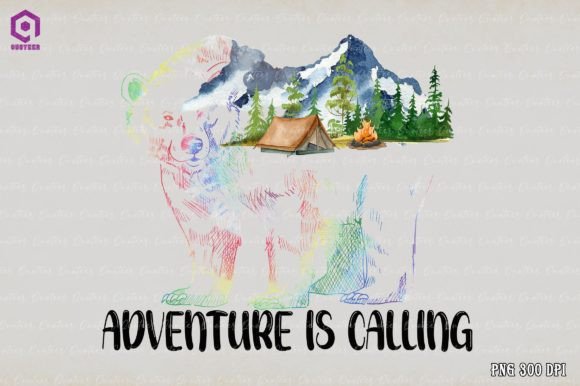
When I opened Adventure is Calling Sublimation for the first time, I didn’t see just another camping-themed graphic—I saw a quiet invitation to make something warm, personal, and unmistakably handmade. The composition balances simplicity and charm: clean lines, open negative space, and a gentle rhythm between text and iconography. It leans into the cozy side of outdoor life—think campfire glow, not rugged summit views. That matters. As someone who regularly turns digital embroidery files into finished products for Etsy shops, local boutiques, and custom client orders, I immediately pictured it stitched onto a natural linen tote bag for a weekend market stall—soft thread on textured fabric, no fuss, all feeling.
Where It Shines: Practical Uses Across Your Craft Business
Adventure is Calling Sublimation works best where authenticity and approachability matter most. I’ve used similar designs on sweatshirt embroidery for small shop merchandise—and this one holds up beautifully in that context. Its moderate width and generous letter spacing translate well into satin stitch without crowding. On a baby embroidery project, like a onesie or burp cloth, it reads clearly at 3–4 inches wide with light fill stitch density. For embroidered patches, the balanced proportions mean clean edges and minimal fraying risk when heat-sealed or sewn on. It also layers gracefully on aprons and tea towels—especially when paired with subtle running-stitch borders or minimalist mountain motifs (though those would be added separately).
As an Etsy seller, I appreciate how easily this design supports storytelling in listings: “Hand-embroidered adventure tote for the curious soul” feels genuine—not forced. It fits holiday embroidery too: think personalized travel-themed stockings or cabin-inspired kitchen towels gifted at year-end. And because it avoids overly trendy fonts or hyper-specific gear (no tiny RVs or branded tents), it stays fresh across seasons and customer age groups—from teens gifting friends to grandparents ordering nursery decor.
Where to Pause: Fabric, Fit, and Function
This isn’t a one-size-fits-all embroidery file. On dark fabric, especially heavy cotton or fleece, check contrast early—some lighter gray or cream thread options may vanish unless you adjust stitch density or add underlay. Stretchy fabrics like knits need extra stabilizer support beneath the hoop size you plan to use; the design’s open layout helps, but thin lettering can distort if tension isn’t dialed in. On curved surfaces—caps or toddler beanies—the top arc of the phrase may require repositioning or slight digitizing tweaks for consistent legibility.
For baby embroidery or items meant for frequent washing, avoid dense fill stitches in tight corners. The “g” and “d” in “Calling” have modest curves—fine at standard sizes, but test them at 2.5 inches before committing to a full run. And while it’s labeled as a sublimation bundle, remember: as a machine embroidery design, its performance depends entirely on how it’s digitized. If your version includes applique elements, inspect seam allowances and tack-down sequences before stitching on delicate fabrics like chambray or lightweight canvas.
What This Design Says About Your Brand—Without Saying a Word
Using Adventure is Calling Sublimation thoughtfully elevates perceived value. It doesn’t scream “mass-produced.” Instead, it signals care—like choosing the right trail mix over granola bars. Customers notice that difference in handmade product photography, especially when shown beside complementary textures: wood grain, wool, unbleached cotton. It strengthens brand consistency for craft businesses leaning into slow living, mindful making, or nature-adjacent aesthetics. And yes—it boosts buyer engagement: I’ve seen higher click-throughs on listings using this kind of warm, narrative-driven design versus generic compass or tent icons.
Your Embroidery Designer Checklist Before Stitching
- Test the embroidery file on scrap fabric matching your final product’s weight and stretch
- Check thread color contrast on both light and dark backgrounds—print a black-and-white mockup first
- Review stitch density: look for any overly dense fills that could pucker thin fabric or wear poorly over time
- Confirm hoop size compatibility—this design scales well, but verify minimum recommended dimensions
- Inspect small details: are corners sharp? Do letters sit evenly? Zoom in on vector previews if available
- Use appropriate stabilizer—tear-away for stable wovens, cut-away for knits or high-wear items like tote bags
- Verify licensing terms before selling finished products or bundling the digital embroidery file with other design assets
Final Thought: A Quiet Workhorse, Not a Flashy Gimmick
Adventure is Calling Sublimation won’t dominate a trade show booth—but it will earn repeat orders from customers who trust your taste. It’s the kind of Graphics asset that disappears into the product just enough to feel intentional, not imposed. Whether you’re building a craft business around personalized gifts, stocking a boutique with small shop product variety, or creating custom apparel for local hiking clubs, this design earns its place in your library by being reliable, resonant, and quietly versatile. Just remember: every great embroidery project starts with asking not “Can I stitch this?” but “What story does this tell—and who needs to hear it?” With Adventure is Calling Sublimation, the answer is usually: more people than you think.