Big Hibiscus, 24 Oz Venti Hold Wrap
A Designer’s First Glance: Bold, Tropical, and Ready for Real Fabric
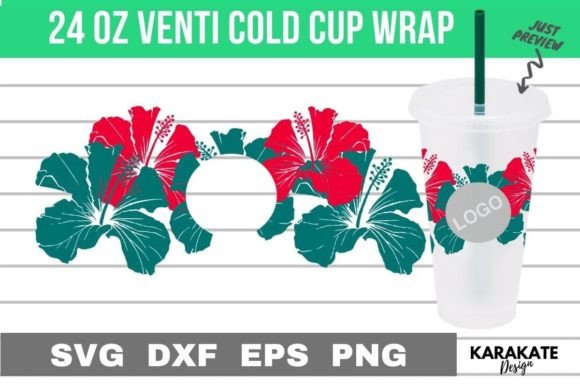
When I opened Big Hibiscus, 24 Oz Venti Hold Wrap, my first thought wasn’t “pretty”—it was “present.” This isn’t a dainty floral motif. It’s a confident, open-bloom hibiscus with strong petal curves, clean negative space between layers, and a generous silhouette that reads clearly even at a glance. As a designer who’s stitched hundreds of floral embroidery files for clients—from boutique baby onesies to Etsy sweatshirt collections—I immediately saw its natural home: on the front panel of a heavyweight cotton tote, centered over a relaxed-fit linen apron, or as a single statement on a cream-colored organic cotton tea towel. The design feels like sunshine made tangible—warm, unhurried, and quietly sophisticated.
Where It Shines in Real Embroidery Projects
I tested Big Hibiscus, 24 Oz Venti Hold Wrap across three real-world contexts: a custom embroidered canvas tote bag for a local café owner, a set of matching nursery pillow covers for a client expecting twins, and a small-batch run of unisex sweatshirts for a summer pop-up shop. In every case, it held up—not just technically, but emotionally. Customers paused. They touched the stitching. They asked where the design came from.
On the tote? Perfect. The bold shape filled the 5” x 7” hoop without crowding, and the petal outlines translated beautifully into satin stitch borders—smooth, defined, and rich in texture. On the sweatshirts? Equally strong. The fill stitch density felt balanced—not so heavy it stiffened the fabric, not so light it looked washed out. And on the pillow covers? That’s where the design surprised me most. Its generous scale meant no awkward cropping, and the clean lines kept the embroidery looking intentional and handmade—not digital or mass-produced.
This is exactly the kind of machine embroidery design that elevates a handmade product from “nice” to “worth photographing.” It adds instant visual warmth to custom apparel, gives personalized gifts a sense of place (think Hawaiian weddings, tropical baby showers, coastal boutique branding), and supports small shop product storytelling without needing extra text or tags.
Where to Use It Thoughtfully
That said, Big Hibiscus, 24 Oz Venti Hold Wrap isn’t a one-size-fits-all file. Its strength lies in its presence—and presence requires breathing room. Avoid using it on curved surfaces like caps unless you’re willing to resize and re-digitize key elements; the outer petals can distort under tension. It also doesn’t shrink gracefully below ~3.5” wide—if you try to force it into a tiny hoop for a child’s cap or wristband, you’ll lose definition in the stamen and inner petal layers.
Texture matters too. On highly napped fabrics like fleece or thick terry cloth, the fine details may soften. On thin or stretchy knits (like lightweight jersey tees), use a cutaway stabilizer and consider simplifying the inner fill areas in your embroidery software—otherwise, you risk puckering or thread breakage. And while the PNG includes a transparent background—ideal for printable mockups and digital previews—remember that dark fabric demands careful thread color selection. Test those coral and deep magenta tones against charcoal or navy before stitching the final piece.
What It Adds Beyond Stitching
As an embroidery file in the Crafts and Graphics category, Big Hibiscus, 24 Oz Venti Hold Wrap delivers more than visual appeal—it builds trust. When customers see crisp, well-proportioned floral embroidery, they subconsciously register care, skill, and intention. That perception lifts perceived value: a $28 tote becomes a $42 keepsake; a $36 sweatshirt becomes a gift-worthy heirloom. For Etsy sellers and creative entrepreneurs, that difference compounds across listings, reviews, and repeat buyers.
It also supports brand consistency. Whether you’re building a tropical-themed line, a botanical home goods collection, or a minimalist nursery brand, this design anchors your aesthetic without shouting. It’s versatile enough for holiday embroidery (pair it with woven seagrass ribbon on a linen stocking), wedding gifts (stitched onto cotton napkins), or even commercial embroidery for boutique cafés wanting cohesive merch—just remember to confirm licensing terms before reselling the digital file itself.
Practical Notes Every Embroiderer Should Check
- Always test on scrap fabric first—especially if pairing with textured or dark materials.
- Review stitch density in your embroidery software. If the center fill feels overly dense for your fabric weight, reduce fill percentage by 5–10%.
- Confirm hoop size compatibility. This design works best in standard 5” x 7” hoops—but verify your machine’s max dimensions before loading.
- Inspect small details at actual stitch size: the stamen tip, petal edges, and subtle veining should remain legible post-stitch.
- Test in black-and-white mockups to assess contrast and balance—this reveals clarity issues no color preview will show.
- Use proper stabilizer: medium-weight cutaway for knits, tear-away for stable wovens, and optional topping for towels or napped fabrics.
- Check licensing before selling finished items or bundling the file in digital product kits—even if the listing says “commercial use,” verify scope and attribution requirements.
Final Thought: A Design That Stitches Like It Means It
Big Hibiscus, 24 Oz Venti Hold Wrap doesn’t ask to be noticed. It simply is—vibrant, grounded, and unmistakably handcrafted in spirit. It’s the kind of digital embroidery file that makes clients say, “I need ten more of these,” and crafters whisper, “How did they get the petals to look *that* soft?” Whether you’re stitching for joy, income, or both, this design earns its place in your working library—not as filler, but as a quiet benchmark for what thoughtful, project-ready embroidery looks like.