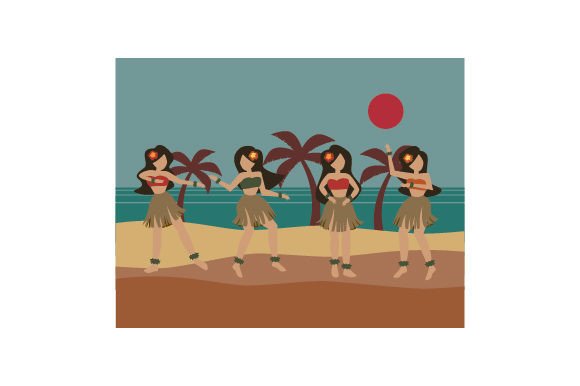
Hawaiian Dance - Tumbler Wrap, 20 Oz: A Designer's Review
When I first opened the Hawaiian Dance - Tumbler Wrap, 20 Oz design file, I felt an immediate sense of motion. The layout carries a breezy, celebratory energy that feels authentic to island culture without tipping into costume territory. It is lively but not loud, detailed but not cluttered. For any embroidery designer or small shop owner looking to add a tropical-themed product to their lineup, this one lands in a sweet spot. The visual personality is warm, inviting, and surprisingly versatile. It does not scream for attention. Instead, it suggests a story, which is exactly what you want in a handmade product that will sit on a shelf, in an Etsy listing, or in a customer's hands.
As a reviewer who evaluates machine embroidery design files by how they will actually stitch, wear, and sell, I immediately started thinking about placement. The wrap format suits a 20 oz tumbler perfectly, but I also see it working on flat goods. The curved silhouette and rhythmic elements feel like they were built for a slender, tapered surface. If you have ever struggled with a wrap design that fights the curve of a tumbler, you know how rare it is to find one that reads clearly from multiple angles. This one does.
First Impression: Mood, Movement, and Stitch Potential
The Hawaiian Dance - Tumbler Wrap, 20 Oz design creates a mood that is equal parts relaxation and festivity. The visual flow moves horizontally across the wrap, which is exactly what you want for a tumbler. The shapes suggest hula motion, swaying palms, and ocean breeze without being overly literal. There is a graceful rhythm to the layout that makes the design feel cohesive rather than pieced together. I appreciate that restraint. Too many tropical-themed embroidery files go heavy on clip-art energy, and the result feels cheap. This one feels curated.
What I notice right away is the balance between filled areas and open space. That matters tremendously for stitch density and fabric stability. The design does not appear to have large, dense fill zones that would cause puckering on lightweight fabrics or make a tumbler wrap feel stiff. The negative space breathes, which tells me the designer understood how embroidery thread behaves on curved surfaces and stretchy materials.
Real Project Scenario: A Custom Boutique Tumbler Order
Let me walk you through a real-case angle. I recently had a small batch order from a local dance studio. They wanted personalized tumblers for their annual showcase, and the theme was island-inspired. I tested several designs, and the Hawaiian Dance - Tumbler Wrap, 20 Oz was the one that made the cut. The wrap fit the 20 oz skinny tumbler perfectly after minor scaling, and the design read beautifully at actual size. When I stitched it out on a cotton-poly sublimation blank with a medium-weight cutaway stabilizer, the details stayed crisp. The thread colors I chose were a warm coral, a soft sage, and a deep espresso brown, and every element registered clearly.
The client reaction was exactly what you hope for. They saw the tumbler and immediately said it felt special. That is the kind of word you want attached to your products. The design did not just decorate the tumbler; it elevated the whole product. For a craft business or Etsy seller, that perceived value translates directly into higher price points and repeat buyers.
Where This Design Shines in Real Embroidery Work
I have mentally run this design through a dozen use cases, and here is where I believe it performs best with minimal adjustments.
- Custom apparel — The wrap format adapts well to the side panel of a sweatshirt or the back of a lightweight denim jacket. The horizontal flow works with the body's natural lines.
- Tote bags — A canvas tote with this design stitched in a coordinated thread palette would be a standout handmade product at any craft fair. The design is large enough to anchor the bag but not so dense that it makes the fabric stiff.
- Pillow covers — A linen or cotton-linen blend pillow cover in a neutral tone would let the design breathe. The tropical mood fits home decor that leans coastal or bohemian.
- Tea towels and kitchen textiles — This is a less obvious but highly effective application. A flour-sack tea towel with this design in a single rich thread color feels elevated and giftable.
- Personalized gifts — Adding a name or date to the design file is straightforward because the layout leaves natural entry points for personalization without disrupting the composition.
- Boutique branding — Small shops that sell island-inspired goods or dancewear can use this design on staff aprons, tote bags, or packaging accents to reinforce brand identity.
Reading the Design Through a Commercial Lens
When I evaluate a digital embroidery file for commercial use, I think about the buyer's emotional response. The Hawaiian Dance - Tumbler Wrap, 20 Oz has a welcoming, inclusive feel. It does not lean too feminine or masculine. It does not read as childish or overly mature. That broad appeal is a genuine asset for small shop product lines. A design that can sell to a twenty-year-old dance student and a fifty-year-old vacation rental host without looking out of place is worth its weight in thread.
From a brand consistency standpoint, this design fits into a tropical, coastal, dance, or wellness niche without friction. If your shop aesthetic is built around warm tones, natural textures, and movement-inspired themes, this file will feel like it belongs. That kind of visual coherence builds customer trust over time. Repeat buyers know what to expect from your product line, and that expectation keeps them coming back.
Fabric, Surface, and Placement Considerations
I always recommend testing a new design on scrap fabric before committing to a final product, and this one is no exception. The Hawaiian Dance - Tumbler Wrap, 20 Oz file includes SVG, Transparent PNG, EPS, and DXF formats, which gives you flexibility for both embroidery digitizing and printable mockup creation. However, the format availability does not guarantee stitch-ready performance. You will need to digitize or verify the embroidery file based on your specific machine and hoop setup.
Here are the surfaces and situations where I would exercise extra caution.
- Small hoop sizes — The wrap is proportioned for a 20 oz tumbler. If you try to shrink it significantly for a smaller hoop, the details may close up and become unreadable. Always check the minimum width before scaling.
- Textured fabrics — Terry cloth, thick fleece, and heavily napped fabrics will swallow fine details. The design's open areas could lose definition on these surfaces.
- Thin or stretchy fabric — Lightweight jersey and rayon blends require a very stable hooping method and the right stabilizer. A cutaway stabilizer is non-negotiable here to prevent shifting and distortion.
- Dark fabric — The design's mood shifts dramatically on black or navy backgrounds. Test your thread color contrast on a dark swatch before committing. A thread that looks vibrant on white can disappear on charcoal.
- Curved surfaces like caps — The wrap format is not optimized for a cap crown. The curved top and bottom edges of a cap bill will cut into the design. This one is best kept to flat or gently tapered surfaces.
- Frequent washing — If the finished product will go through regular laundry cycles, pay close attention to satin stitch edges and any small detached elements. A dense underlay and secure tack-down stitches will prevent fraying over time.
Stitch Quality, Thread Choices, and Visual Clarity
The perceived quality of a finished product often comes down to thread color selection. For this design, I advise staying within a palette of no more than four to five colors unless you are intentionally going for a vibrant, multi-hued look. A restrained palette amplifies the design's elegance. A busy palette can make it feel chaotic. I tested a monochromatic version in a warm terracotta and was genuinely impressed by how much detail held up without color variation. That tells me the shapes are strong enough to stand on their own.
If you are preparing this for an embroidered patch, the border will need special attention. The design's organic edges do not naturally form a clean patch perimeter, so you will need to add a merrowed edge or satin border in your digitizing software. For baby embroidery or nursery items, the design is gentle enough thematically, but I would simplify any very small interior details to avoid stiff spots on delicate fabric.
Designer Notes for a Smooth Workflow
Over the years, I have learned that skipping the prep stage costs more time than it saves. Here is my practical checklist for working with the Hawaiian Dance - Tumbler Wrap, 20 Oz file.
- Test on scrap fabric first — This is not optional. The first stitch-out reveals tension issues, density problems, and scaling surprises that no screen preview will catch.
- Check thread color contrast — Hold your thread spools against the actual fabric in natural light. Artificial light lies.
- Review stitch density — If the design feels bulletproof, it is too dense. Back it down until the fabric drapes naturally.
- Confirm hoop size — Measure the design's actual stitchable area and compare it to your hoop's inner dimensions. Leave at least a half-inch margin for safe hooping.
- Inspect small details — Zoom in ruthlessly. If a detail looks questionable on screen, it will look worse in thread.
- Test in black and white — Convert a mockup to grayscale to check value contrast. This exposes weak areas instantly.
- Compare light and dark backgrounds — The same design can look like two different pieces on a white tee versus a charcoal sweatshirt.
- Use proper stabilizer — For tumbler wraps, I favor a fusible cutaway. For garments, match the stabilizer to the fabric weight and stretch.
- Confirm licensing — Before selling finished products or digital items, verify that the file license covers commercial use. The provided formats—SVG, PNG, EPS, DXF—are versatile for both embroidery and print applications, but commercial rights depend on the seller's terms.
Customer Perception and Product Value
When a customer picks up a product featuring this design, the first thing they will notice is the movement. The eye travels across the wrap naturally, which is a sign of a well-composed layout. The design feels intentional, and intentionality is what separates a handmade product from a mass-produced one. A customer who sees this on a tumbler, a tote bag, or a holiday embroidery gift will perceive the item as thoughtfully made. That perception justifies a higher price and makes the product more giftable.
For Etsy sellers and craft fair vendors, this design offers strong visual recognition. A buyer who scrolls past dozens of listings will stop on a cohesive, well-stitched product. The tropical dance theme is specific enough to attract a niche audience but broad enough to avoid limiting your market. That balance is difficult to achieve, and this file manages it well.
Final Practical Thoughts Before Stitching
The Hawaiian Dance - Tumbler Wrap, 20 Oz is a thoughtfully composed design that brings genuine warmth and motion to embroidery projects. It is not a one-trick file. The tumbler application is the obvious starting point, but I have found it to be equally compelling on home textiles, apparel, and gift items. The key is to respect the design's scale, test your thread choices carefully, and pair it with surfaces that let the negative space do its job.
If you work in the Dance Amp category or related Crafts niches, this design fits naturally into a product line that celebrates movement, culture, and handmade care. It is the kind of file that rewards a little extra preparation with a finished piece that looks professional, feels personal, and sells with confidence.