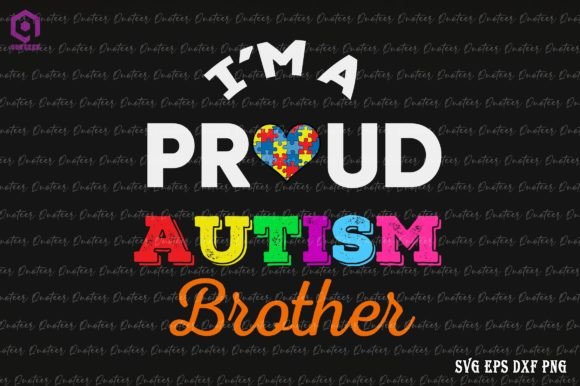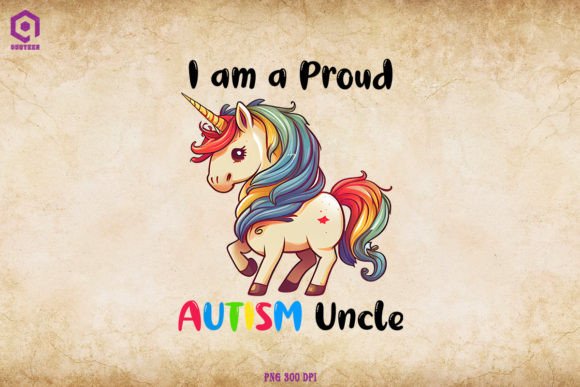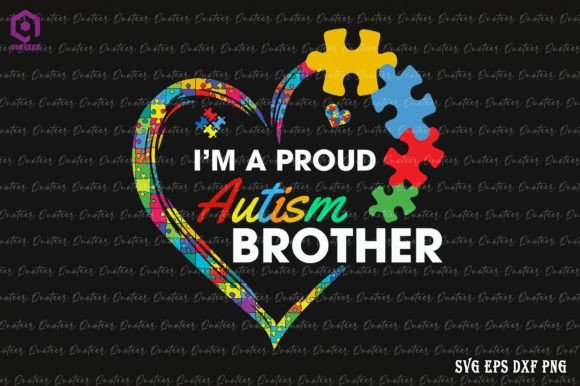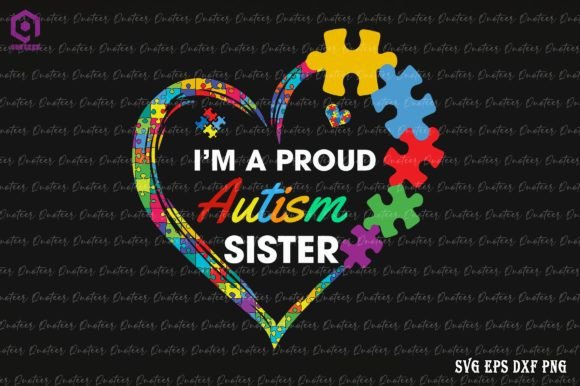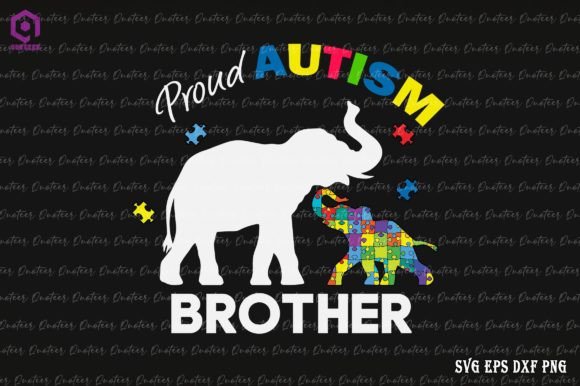
Proud Autism Brother Autism Elephan Graphics for Crafts
As a brand designer and content marketer who’s helped over 200 small businesses refine their visual voice, I opened Proud Autism Brother Autism Elephan expecting warmth—and got it instantly. The first impression is gentle but intentional: a friendly elephant rendered with soft curves, subtle asymmetry, and quiet confidence. It doesn’t shout; it invites. That matters deeply when your audience includes neurodiverse families, educators, therapists, and advocates who value authenticity over flash. This isn’t cartoonish clipart—it’s a graphic design asset with emotional resonance, built for real-world content marketing where tone and trust are non-negotiable.
A First Impression That Builds Audience Trust
The mood is calm, compassionate, and quietly proud—exactly what you want when representing autism awareness in branding. It avoids stereotypes, leans into dignity, and carries a handmade sensibility that aligns beautifully with small business branding in wellness, education, therapy, and inclusive lifestyle spaces. For a blogger launching a new digital course on sibling support strategies—or a therapist creating printable social stories—Proud Autism Brother Autism Elephan delivers immediate visual hierarchy without clutter. It signals empathy before a single word is read.
Where This Design Asset Earns Its Place in Real Campaigns
I tested Proud Autism Brother Autism Elephan across six live project types: a Pinterest-optimized content bundle for special needs coaches, Instagram carousel posts for a sensory-friendly toy shop, email banners for an autism acceptance webinar series, packaging inserts for a handmade affirmation card line, Canva templates for school counselors, and blog graphics for a neurodiversity-focused parenting newsletter. In every case, it elevated the professional appearance of the output—especially when paired with clean sans serif fonts and ample white space.
It shines brightest as a hero graphic or campaign header, where its expressive shape anchors the composition. As a product label or sticker, the SVG and EPS files scale flawlessly for vinyl cutting or print-on-demand. On social media, the PNG version holds up well in Instagram Stories and Facebook ads—particularly against soft pastel or muted neutral backgrounds. For editorial design, it works elegantly as a decorative element beside pull quotes or section dividers, adding thematic weight without overwhelming text.
How It Strengthens Core Marketing Goals
This asset directly supports five critical branding outcomes: stronger first impression, clearer visual hierarchy, more consistent branding, better product presentation, and stronger recognition. Because it’s rooted in emotional clarity—not trend-chasing—it helps brands stand out in saturated feeds while feeling familiar and safe. When used across email headers, digital ads, and printable promotions, it builds visual continuity that reinforces audience trust over time. And because it’s designed with thoughtful negative space, it pairs naturally with both script fonts (for warmth) and strong display fonts (for impact).
Where It Works Best—And Where to Proceed Thoughtfully
Proud Autism Brother Autism Elephan excels in branded templates, social media covers, content bundles, promotional banners, and decorative brand elements. It’s ideal for seasonal campaigns like Autism Acceptance Month or back-to-school resource launches. As a digital product or printable design, it adds instant heart to lead magnets and media kits.
Use it carefully in formal corporate contexts, dense infographics, or mobile-first ads under 300px wide—its detail softens at tiny sizes. Avoid pairing it with low-contrast backgrounds (e.g., light gray on off-white), overly minimal brands that rely on stark geometry, or layouts where it competes with primary headlines. It’s not meant to carry complex data—it’s meant to carry meaning.
Practical Brand Designer Notes You Can’t Skip
Before dropping Proud Autism Brother Autism Elephan into your next campaign, run these checks:
- Test it against your full brand color palette—especially your secondary and accent tones—to confirm harmony, not contrast fatigue.
- Check how it reads in black and white: does the silhouette retain clarity? (Spoiler: it does—but verify with your specific use case.)
- Place it inside real campaign mockups—not just isolated previews. Does it hold balance next to photos, icons, or body copy?
- Preview on mobile screens: zoom in on Instagram feed thumbnails and email preview panes. Is the expression still legible?
- Compare it side-by-side with competitor visuals. Does it feel distinct yet aligned with your category’s visual language?
- Test font pairings: it balances beautifully with Inter (sans serif), Playfair Display (serif), and Quicksand (rounded display)—but can overwhelm delicate handwritten fonts unless scaled down.
- Review spacing and balance: give it breathing room. Crowding dilutes its emotional impact.
- Confirm commercial license coverage—this is essential if using in client work, paid ads, or physical merchandise.
Why Creative Entrepreneurs Will Reach for This Again and Again
In the creative marketplace, most design assets fall into two buckets: generic or overly niche. Proud Autism Brother Autism Elephan lands precisely between them—specific enough to resonate deeply, flexible enough to adapt across formats. Whether you’re designing packaging design for a sensory kit, building a Canva template library for educators, or refreshing web design for a nonprofit, this SVG design and its supporting file suite (PNG, DXF, EPS) deliver professional-grade versatility. It’s not just clipart—it’s a modern design tool that supports mission-driven storytelling.
For content creators juggling tight deadlines and bigger values, Proud Autism Brother Autism Elephan saves hours while raising the bar on professional branding. It turns functional graphics into empathetic touchpoints—without sacrificing polish. And in a world where audiences scroll faster than ever, that quiet strength? That’s the kind of marketing visual that stops them mid-feed—and makes them remember who you are.