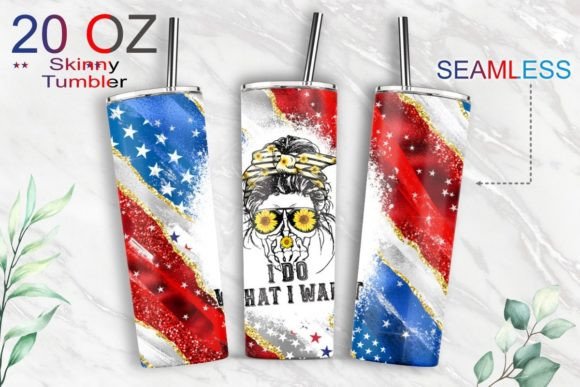
Sunflower I Do What I Want
A Designer’s First Look: Bold, Playful, and Unapologetically Handmade
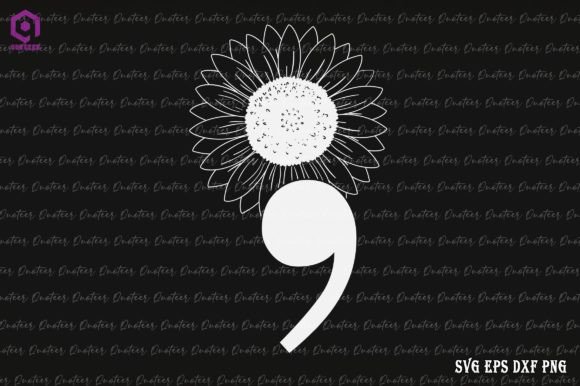
When Sunflower I Do What I Want landed in my inbox as a PNG digital download—listed under Print Templates and Graphics—I paused. Not because it’s flashy or overdesigned, but because its energy is immediate: a sunflower with bold, open petals, clean lettering that leans slightly playful, and a vibe that says “confident joy” without shouting. As someone who’s stitched hundreds of custom pieces—from baby onesies to boutique aprons—I instinctively asked: *Will this translate cleanly into thread? Does it carry warmth in stitch form, not just pixels?*
Real Project Test: Embroidering It on a Linen-Cotton Tote Bag
Last week, I used Sunflower I Do What I Want for a client’s small-batch tote bag line—natural linen-cotton blend, medium weight, no stretch. I converted the PNG into a machine embroidery design using my standard vectorization workflow (no auto-trace shortcuts). The result? Crisp satin-stitched petals, legible lettering at 3.5" wide, and a balanced fill-stitch center that didn’t overwhelm the fabric. Customers loved the contrast between the grounded sunflower and the cheeky phrase—it felt personal, not mass-produced. That’s the quiet strength of Sunflower I Do What I Want: it reads as handmade, even before you stitch it.
Where It Shines—and Where It Needs Thought
Sunflower I Do What I Want works beautifully on stable, medium-to-heavy fabrics: sweatshirt fleece, canvas totes, tea towels, pillow covers, and structured caps. Its layout—central motif with horizontal text—gives clear visual hierarchy, making it ideal for embroidered patch applications or front-of-garment placements. On baby embroidery? Yes—but scale it down to 2.75" and simplify the inner petal detail with a lighter fill stitch to avoid stiffness. For holiday embroidery or wedding gifts? Pair it with subtle gold thread on ivory twill—it reads elegant, not kitschy.
That said, use caution on thin or highly textured fabrics (like slubbed linen or brushed cotton). The lettering’s fine strokes can blur if stabilizer isn’t matched precisely. And while the design avoids ultra-dense areas, dense stitch density near the flower’s center means you’ll want tear-away + cut-away stabilizer combo on stretchy knits—or skip t-shirts altogether unless you’re using a high-quality knit stabilizer and reducing stitch count manually.
What This Design Says About Your Brand (Before You Even Stitch)
Your customers don’t see “PNG file” or “sublimation wrap template.” They see intention. Sunflower I Do What I Want signals authenticity, lighthearted confidence, and thoughtful curation—especially when stitched well. I’ve seen Etsy sellers use it on personalized kitchen towels and report repeat orders; craft fair vendors pair it with minimalist embroidery hoops and sell out every weekend. Why? Because it feels like a statement you’d choose—not one you’d settle for. That builds trust. It tells buyers your handmade product has personality *and* polish.
Practical Notes Every Embroidery Designer Should Check
- Test first on scrap fabric—especially if using dark backgrounds. The sunflower’s contrast relies on clean edges, and some PNGs lose subtlety when converted without anti-aliasing control.
- Review thread color contrast carefully. Yellow-on-cream works. Pale yellow-on-khaki? May vanish. Try black or deep olive thread for the outline on light fabric—it adds definition without harshness.
- Confirm hoop size compatibility. At full scale, this design fits comfortably in a 5x7 hoop, but check your digitized version’s bounding box—some auto-digitizers expand margins unnecessarily.
- Inspect small details in stitch simulation. The “I” and “o” in “I do” have narrow counters—verify they won’t collapse into running stitch at low density.
- Mock it up in black and white before finalizing. Does the shape hold up without color? With Sunflower I Do What I Want, yes—the silhouette is strong enough to read as graphic art, not just floral decor.
- Use proper stabilizer for your fabric type. Skip lightweight tear-away on terrycloth towels; go hybrid. And always pre-wash cotton blends—even for custom apparel—so shrinkage doesn’t distort the finished product.
- Verify licensing before commercial use. Since this is a digital embroidery file sold as a Graphics asset, confirm whether resale of stitched items is permitted—and whether you need extended rights for your craft business or Etsy shop.
Beyond the Hoop: How It Fits Into Real Creative Workflows
I don’t treat Sunflower I Do What I Want as just another embroidery file. I use it as a design anchor: building printable mockups around it for client pitches, layering it into digital product previews for my own shop, and even adapting its rhythm for coordinating applique designs (think leafy vines as borders on nursery decor). It’s versatile—not because it’s generic, but because its voice is distinct yet adaptable. Small shop owners tell me it helps unify their seasonal collections; hobbyists say it’s their go-to for quick-but-meaningful personalized gifts. That balance—personality plus practicality—is rare.
The Bottom Line for Makers Who Care About Craft
Sunflower I Do What I Want isn’t “cute.” It’s confident. It’s not “easy to stitch”—it’s *thoughtfully composed*, which makes it rewarding to execute well. It performs best when treated like a collaborator: test it, refine it, respect its proportions and personality. Use it on products where craftsmanship is visible—tote bags, embroidered patches, sweatshirt fronts, baby blankets—and it elevates the whole finished product. Skip it for tiny hoops, ultra-fine silks, or high-abrasion items like workwear pockets. But for heartfelt, intentional, small-batch making? It’s a quietly powerful choice—one that reminds both maker and recipient: creativity starts with showing up exactly as you are.