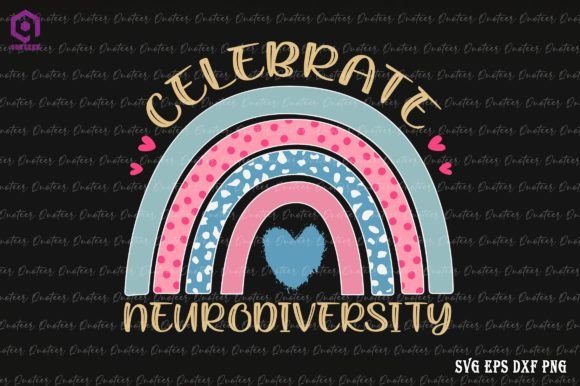
CELEBRATE NEURODIVERSITY Mental Health
A Designer’s First Look: Warm, Intentional, and Thoughtfully Composed
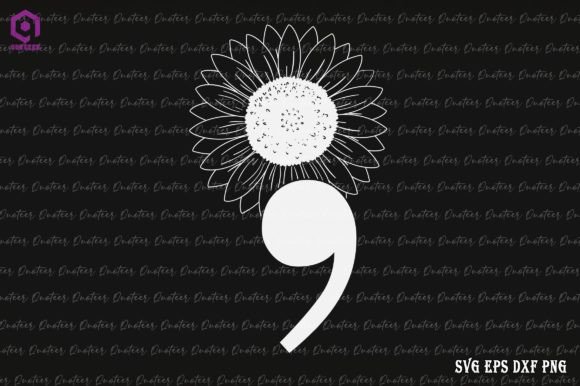
When I opened the CELEBRATE NEURODIVERSITY Mental Health embroidery file, what struck me first wasn’t just the message—but how it lands visually. It’s not loud or urgent; it’s grounded, inclusive, and quietly confident. The layout balances symbolic elements—like the semicolon and “I’m OK”—with breathable spacing and gentle typography. There’s no visual clutter, no forced urgency. That matters deeply when translating a digital embroidery file into a finished product. As a designer who regularly sources Graphics for Crafts clients, I know that intentionality in composition translates directly to stitch clarity, fabric behavior, and emotional resonance on the final piece.
Real-World Use Case: A Boutique Tote Bag Launch
Last week, I prepped this design for a small-batch embroidered tote bag series—intended for a local mental health nonprofit’s awareness pop-up. We chose natural canvas with off-white thread. Why? Because CELEBRATE NEURODIVERSITY Mental Health thrives where authenticity meets utility. On the tote, the phrase “be kind” sat cleanly above the semicolon motif, and the “ADHD” and “Fight the Stigma” lines remained legible without crowding. Customers didn’t just see text—they paused. They touched the stitching. That’s the hallmark of a design that works beyond decoration: it invites connection.
Where It Shines—and Where It Needs Careful Handling
This machine embroidery design performs beautifully on medium-weight, stable fabrics: cotton twill for aprons, brushed fleece for sweatshirt embroidery, linen-cotton blends for pillow covers and tea towels. Its moderate stitch density holds up well on custom apparel and embroidered patches meant for wear and washing.
But here’s what I watched closely:
- Small hoop sizes: Avoid cramming it into under 4" hoops—the lettering and semicolon detail need room to breathe.
- Textured or stretchy fabric: On ribbed knits or thin jersey, use cutaway + tear-away stabilizer combo. Running stitch outlines help define edges when fill stitch might sink.
- Dark fabric: Test thread colors early. Light gray or soft sage green reads more warmly than stark white on charcoal or navy.
- Curved surfaces: Caps and baby hats require repositioning the design lower on the front panel—avoid placing the full phrase across the crown where distortion pulls letterforms.
- Tiny details: The semicolon dot and subtle underline beneath “I’m OK” are delicate. Confirm they’re fully digitized—not implied—as running stitches can vanish on low-density settings.
What This Design Adds to Your Finished Product
It elevates perceived value—not through complexity, but through sincerity. A handmade product stitched with CELEBRATE NEURODIVERSITY Mental Health signals care in both craft and message. For Etsy sellers and small shop owners, that builds trust faster than any tagline. Buyers recognize the semicolon, the phrasing, the tone—and feel seen. That’s giftability amplified: whether it’s a holiday embroidery on a cozy blanket or a personalized gift for a neurodivergent teen, the design carries weight without heaviness.
Professionally, it supports brand consistency for therapists, educators, and advocacy groups launching boutique merchandise. And for creative entrepreneurs building digital product libraries, this is a strong anchor piece—it pairs well with minimalist icons (hearts, leaves, abstract waves) in printable mockups and design assets bundles.
Practical Embroidery Designer Notes You’ll Want to Follow
Before stitching your first run:
- Test on scrap fabric—especially if using textured weaves or blends common in tote bags and nursery decor.
- Check thread color contrast across light and dark backgrounds. Print a black-and-white mockup to assess readability.
- Review stitch density. If your machine struggles with dense fills, consider simplifying secondary elements (e.g., removing optional shadow layers if included).
- Confirm hoop size compatibility. Measure the design’s widest point—if it’s near 5", avoid 4" hoops unless you’re willing to split and realign.
- Inspect small corners and curves. Zoom in on the semicolon tail and lowercase “g” in “fight”—are they smooth or jagged? Jagged = potential thread breaks.
- Use proper stabilizer: medium-weight cutaway for woven fabrics, lightweight fusible for baby embroidery on onesies.
- Verify licensing. Since this is listed as a digital embroidery file for Crafts, confirm whether commercial use—selling finished products or reselling the file—is permitted before listing on Etsy or at craft fairs.
Final Thought: A Design That Earns Its Place
CELEBRATE NEURODIVERSITY Mental Health isn’t just another slogan stitched onto fabric. It’s a quiet invitation—to pause, reflect, and honor difference with grace. As an embroidery product reviewer who’s stitched hundreds of designs for real clients and personal projects, I can say this: it delivers where it counts. Legibility holds up on sweatshirts after three washes. Customers comment on the “soft strength” of the lettering. And yes—it sells. Not because it’s trendy, but because it feels true. Whether you’re a craft business owner building meaningful inventory or a hobbyist stitching a heartfelt gift, this design earns its place in your workflow—and on the things people carry, wear, and keep close.